Skin Grafting for white patches
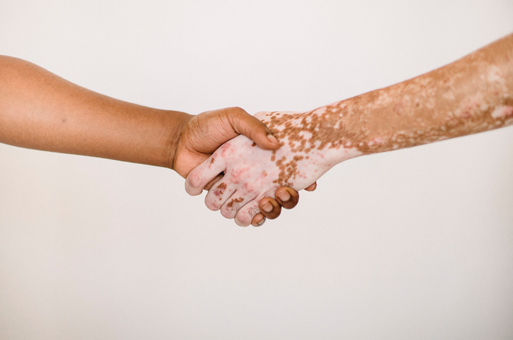
What is a skin graft?
A sort of surgery is skin grafting. In this operation, medical professionals remove healthy skin from one area of the body and relocate it to cover damaged or absent skin. The grafted skin develops blood vessels and joins with the surrounding skin within a few days.
Skin transplant surgery is used to treat patients who have skin damage due to burns, wounds, diseases, or infections. Your doctor may suggest a skin graft to replace the skin that was removed during surgery to remove skin cancer.
Your general health, the amount of the transplant, and the approach your surgeon utilized will all influence how long it takes you to recuperate from this procedure. In most cases, skin graft surgeries are successful on their first try. Sometimes the transplanted skin doesn't "take" to the surrounding skin or recover properly. If this occurs, you might require a second skin graft.
What are the types of skin graft surgery?
The types of skin graft surgery are:
Split-thickness Skin Graft (STSG): This surgery involves only partial removal of the second layer of skin and removal of the top layer of skin (epidermis) (dermis). Large patches of damaged or missing skin are typically covered by providers using STSG. Usually, they remove healthy skin from the back, abdomen, bottom, or thighs. Normally, donor skin (the area from which the skin was removed) recovers on its own over the course of 1-2 weeks.
Full-thickness skin graft (FTSG): During an FTSG, your doctor will completely remove the top layer of skin and transplant it. Due to the thicker transplanted skin, FTSG treatments take longer to heal than STSG. Providers may decide to use FTSG for a body part, like the face, that is typically not covered by clothing. For FTSG, medical professionals frequently remove healthy skin from the groin, arm, or collarbone region and immediately close the donor incision.
Composite graft: During this operation, medical professionals transplant soft tissues like cartilage or skin. Damage to the nose, fingertips, and ears can be corrected with composite grafts.
What does a skin graft treat?
If you have damaged or missing skin that cannot heal on its own, your doctor may advise a skin graft. Skin grafts assist those who have lost skin as a result of:
Burns
Infection
Surgery to remove skin cancer
Skin ulcers and bedsores
Slow-healing wounds or very large wounds
What happens after skin graft surgery?
Typically, a skin graft requires two surgical sites (the donor site and the graft site). Your healthcare professional will keep an eye on your well-being, look out for infections, and ensure that both wounds are healing appropriately. You might have to stay in the hospital for up to two weeks following surgery. The kind of skin transplant surgery you receive will determine how long you have to stay. When you leave the hospital and return home, abide by your provider's recommendations. You might be asked to:
Put on a cover or dressing over the wounds: Ask your healthcare professional how long you should wear the covering if it can get wet, and how frequently you should switch it out. Your doctor might advise applying an antibiotic ointment or aloe vera cream (such as bacitracin). Use these creams as directed by your healthcare provider.
Preserve the wound's security: Stay away from physical activity that could harm the graft site while it is healing. For three to four weeks, avoid stretching the skin or engaging in intense activity.
Use painkillers: Your doctor may prescribe painkillers to help you feel better following surgery. To minimize inflammation or stop an infection, you could also require additional medications.
Visit your doctor for follow-up appointments: Your healthcare professional will want to examine your skin to assess how well you are healing. They could suggest a physical therapy (PT) regimen to increase the skin's suppleness and avoid the formation of scar tissue at the graft site.